
When people hear the word sustainability, they often think about materials: recycled graphics, reusable flooring, and lower-carbon products.
While those things absolutely matter.
The most effective exhibition sustainability strategies usually start with design.
A well-designed exhibition stand doesn’t just reduce environmental impact. It can also reduce costs, improve flexibility and deliver stronger value over multiple events.
In other words, sustainability isn’t simply an environmental conversation anymore.
It’s a commercial one too.
Designing an Asset, Not a Stand
Traditionally, many exhibition stands were designed around one event.
One location. One objective. One brief.
The challenge comes when that same business attends multiple exhibitions in a single year.
The costs of re-building, re-printing and re-engineering quickly add up.
One of the biggest mindset shifts we see is moving from designing for one exhibition to designing for a programme of events.
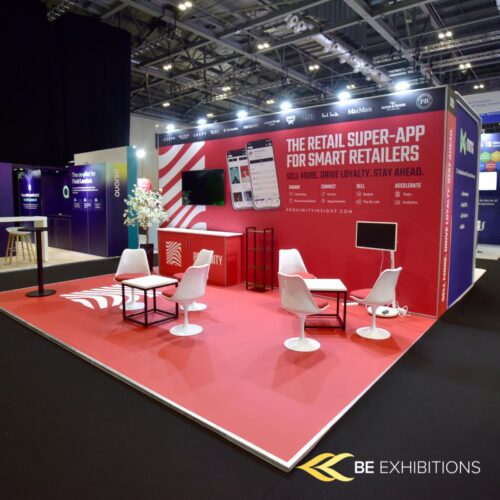
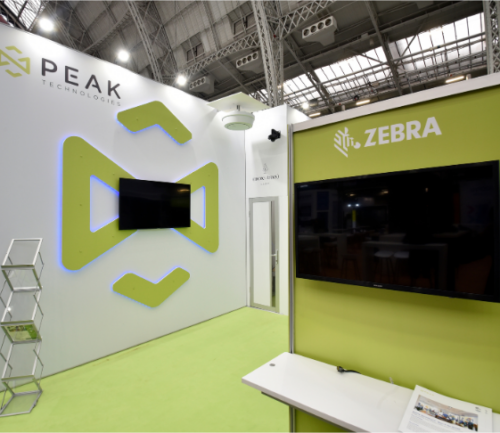
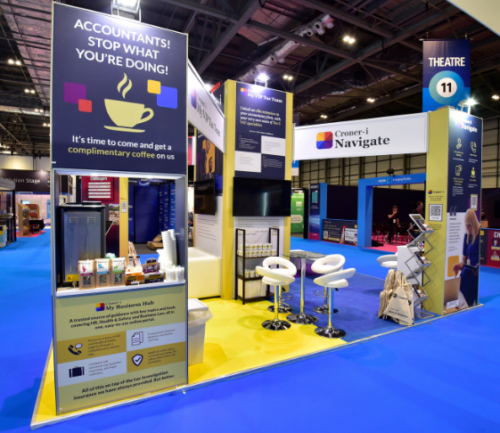
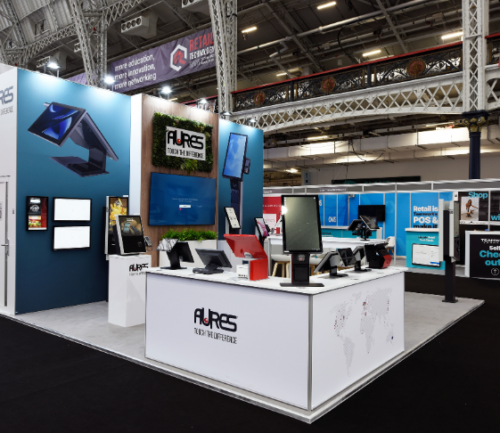
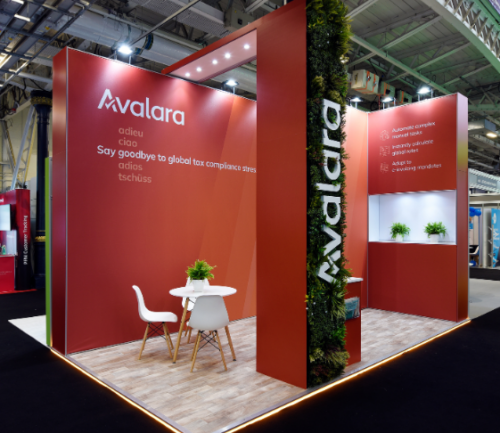
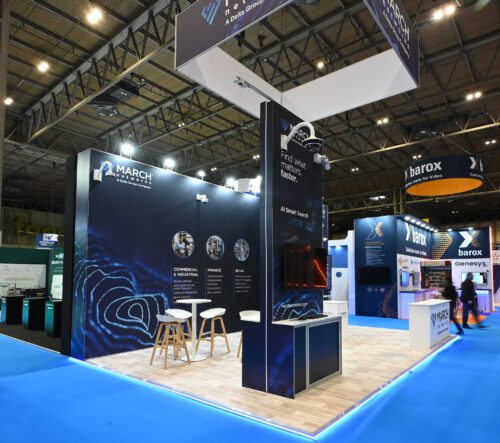
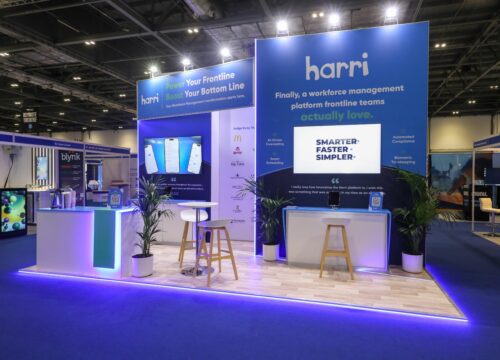
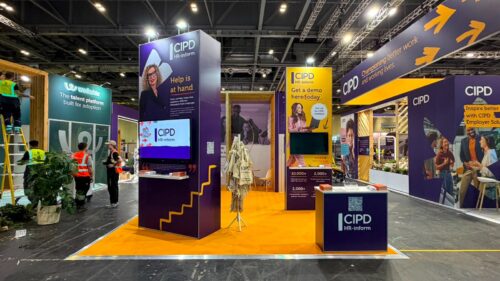
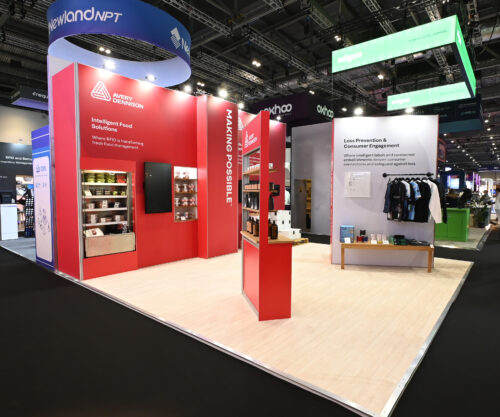
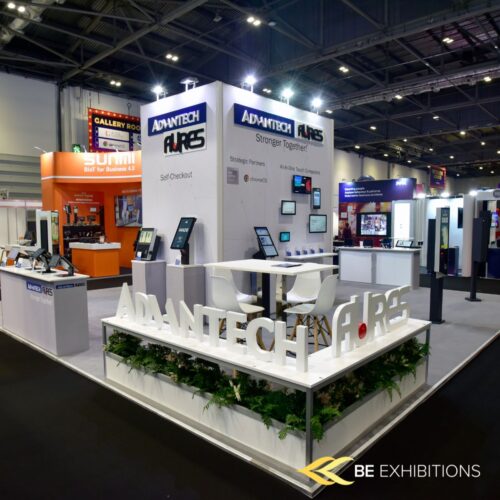
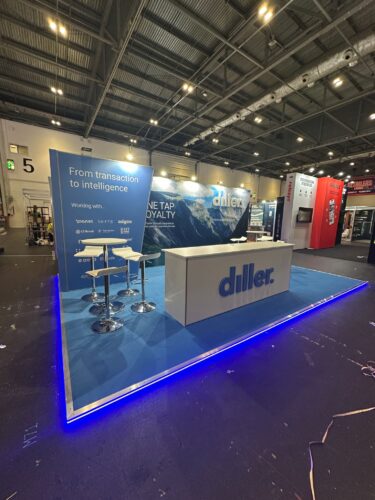
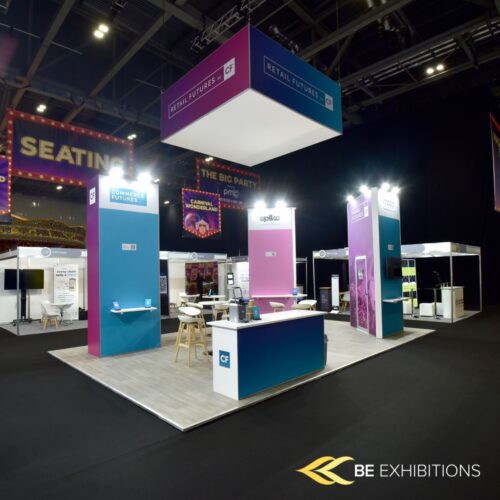
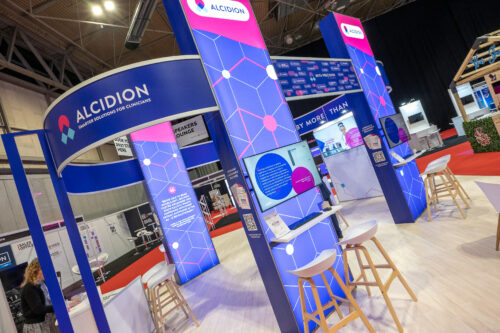
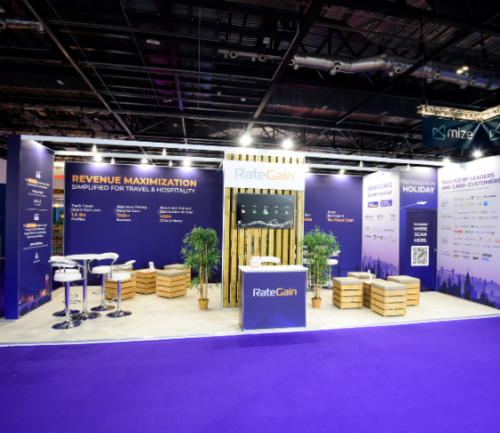
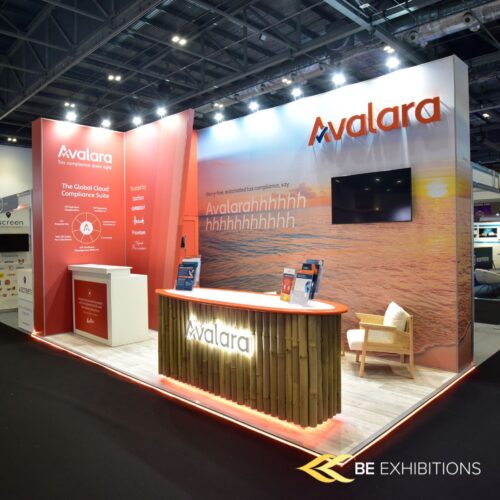
With clients such as Avalara, the focus has been on creating exhibition assets that evolve over time through updated graphics, refreshed messaging and reconfigured layouts, rather than starting from scratch for every show.
The main benefit there is that when a stand is viewed as a long-term asset rather than a one-off purchase, decisions around materials, graphics, configuration and budget suddenly become much clearer.
This flexibility becomes particularly valuable for businesses with busy exhibition schedules.
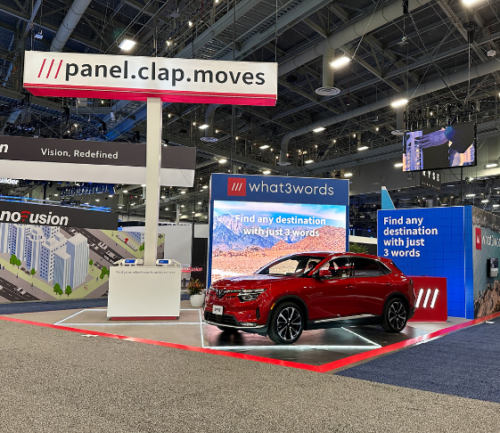
We’ve seen it work successfully for brands such as what3words, where stand sizes, event objectives and messaging requirements changed over several years, while maintaining a consistent brand presence.
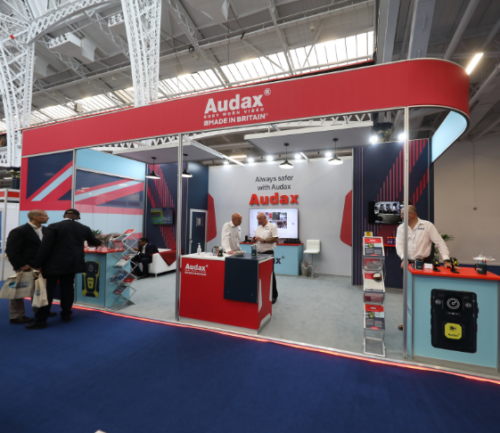
The same principle applies to clients such as Audax and Croner-i. By investing in modular systems that can be adapted and refreshed over time, they’re able to balance sustainability goals with commercial realities such as budget management, consistency and speed of deployment.
It also creates opportunities to reduce waste, extend lifespan and improve consistency across your exhibition programme without compromising impact on the show floor.
Which brings us to one of the most important considerations of all: the true cost of ownership.
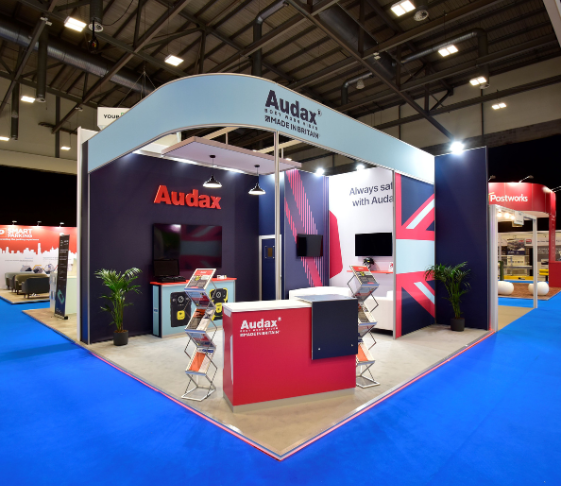
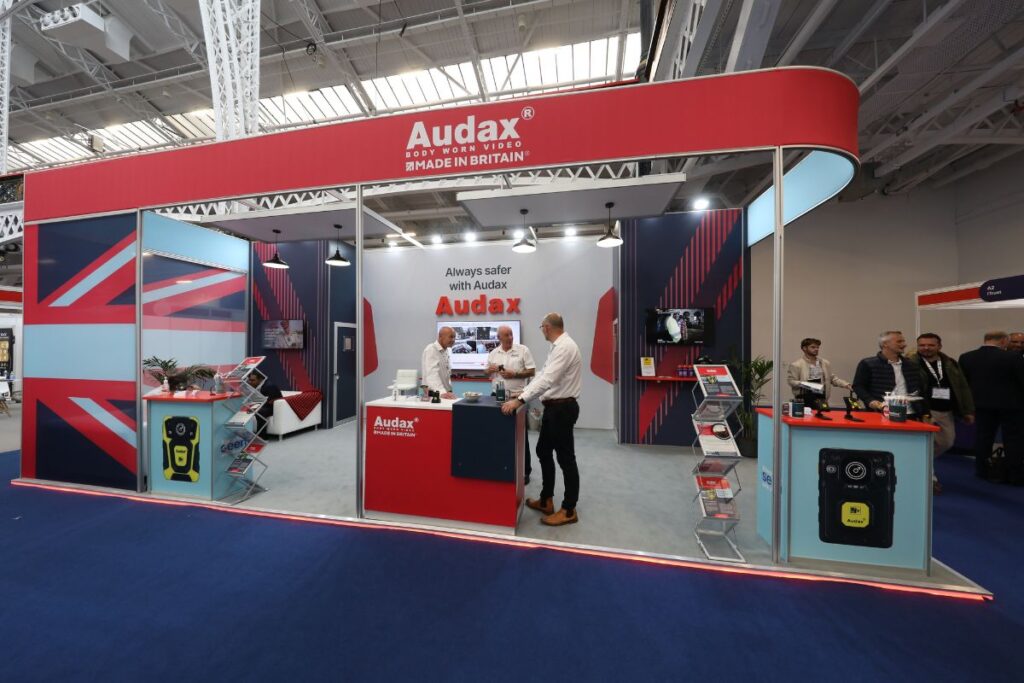
Image: Audax exhibition stand at International Security Expo 2024, built by BE Exhibitions
Why Total Cost of Ownership Matters
One of the biggest shifts we’re seeing is a move away from focusing purely on upfront spend.
Instead, clients are asking a more useful question:
What will this stand cost us over the next 12 to 24 months?
A lower initial investment doesn’t always lead to lower overall costs.
If graphics need replacing frequently, components aren’t reusable or logistics become inefficient, costs can escalate quickly.
By contrast, a hybrid or reusable system may require greater upfront planning but deliver significant savings over multiple events.
Looking at Total Cost of Ownership (TCO) often reveals a much clearer picture of where the real value sits.
Sustainability and Commercial Performance Can Work Together
There’s sometimes a perception that sustainable choices require compromise.
In reality, the opposite is often true. Thoughtful design can improve operational efficiency, reuse can reduce waste and cost, and a longer-term asset strategy can improve budget planning while reducing environmental impact.
The strongest exhibition programmes increasingly combine both sustainability and commercial objectives rather than treating them as separate conversations.
The Bigger Picture
Every exhibitor’s programme is different.
The right solution depends on the number of events you attend, your stand sizes, your exhibition locations and your marketing goals.
But if sustainability conversations are currently focused only on materials, you could be overlooking some of the biggest opportunities available.
The most effective approach is often to design for longevity, flexibility and performance from the start.
When that happens, environmental benefits and commercial benefits tend to follow together.
Want to understand the true cost of your exhibition programme?
We can help you create a Reuse & TCO Plan that identifies opportunities to reduce costs, increase asset lifespan and make your exhibition activity more sustainable over the long term.
Drop our team a note on [email protected] or call on 01425 837005.